
Front page / FAQ about blind drawing
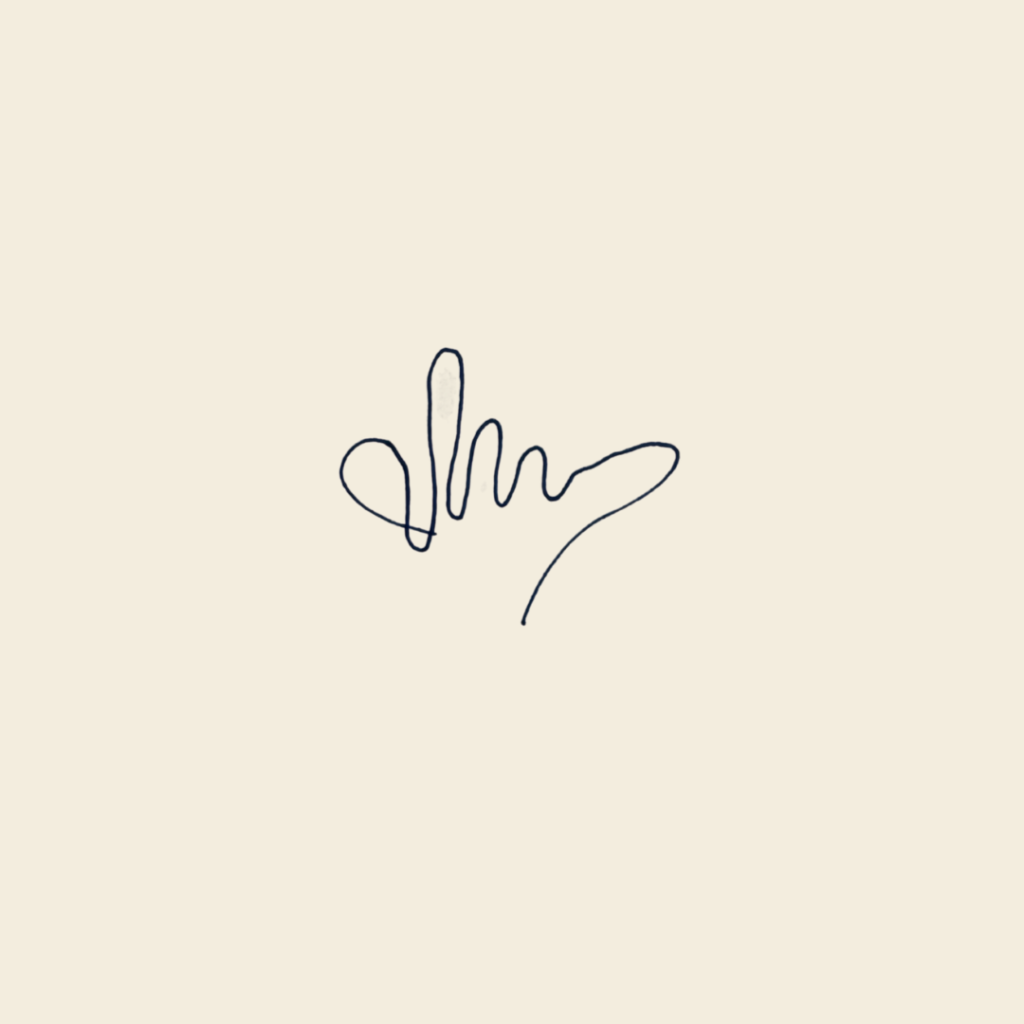
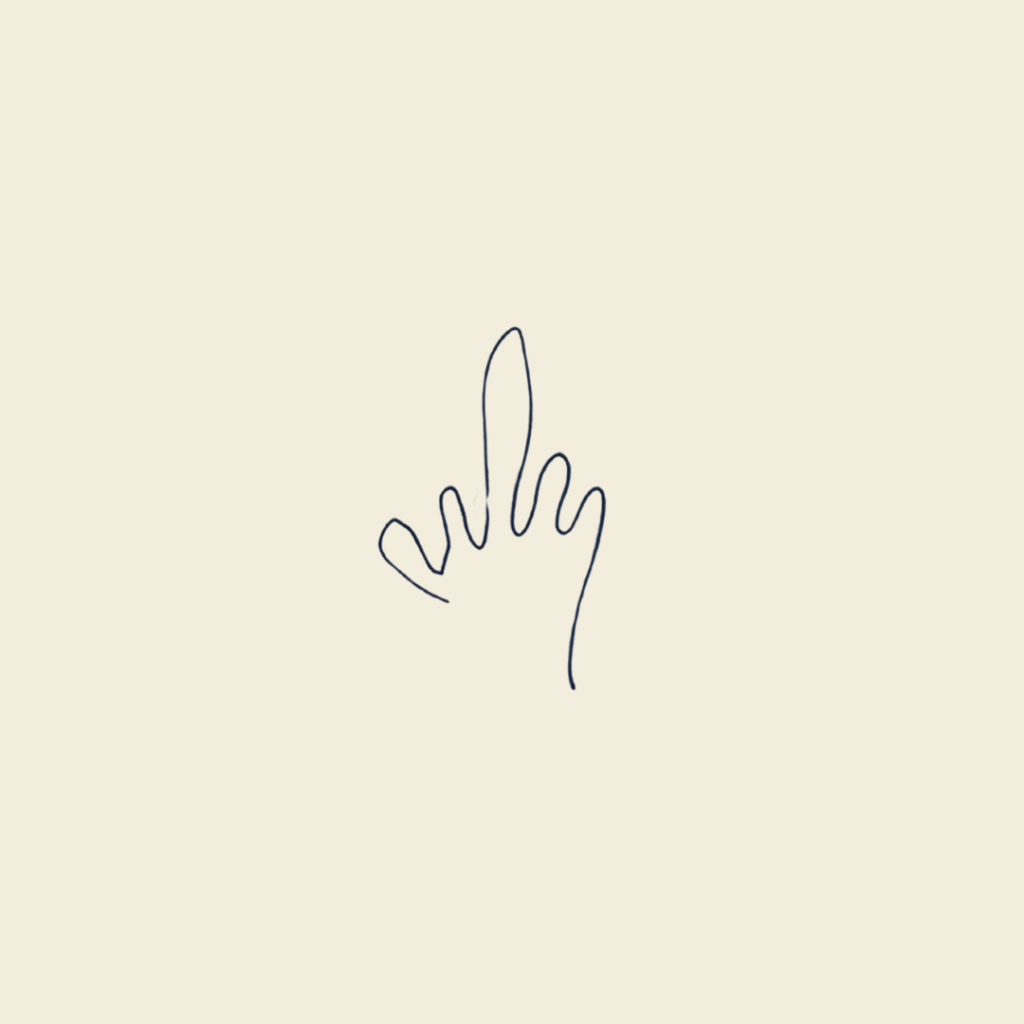
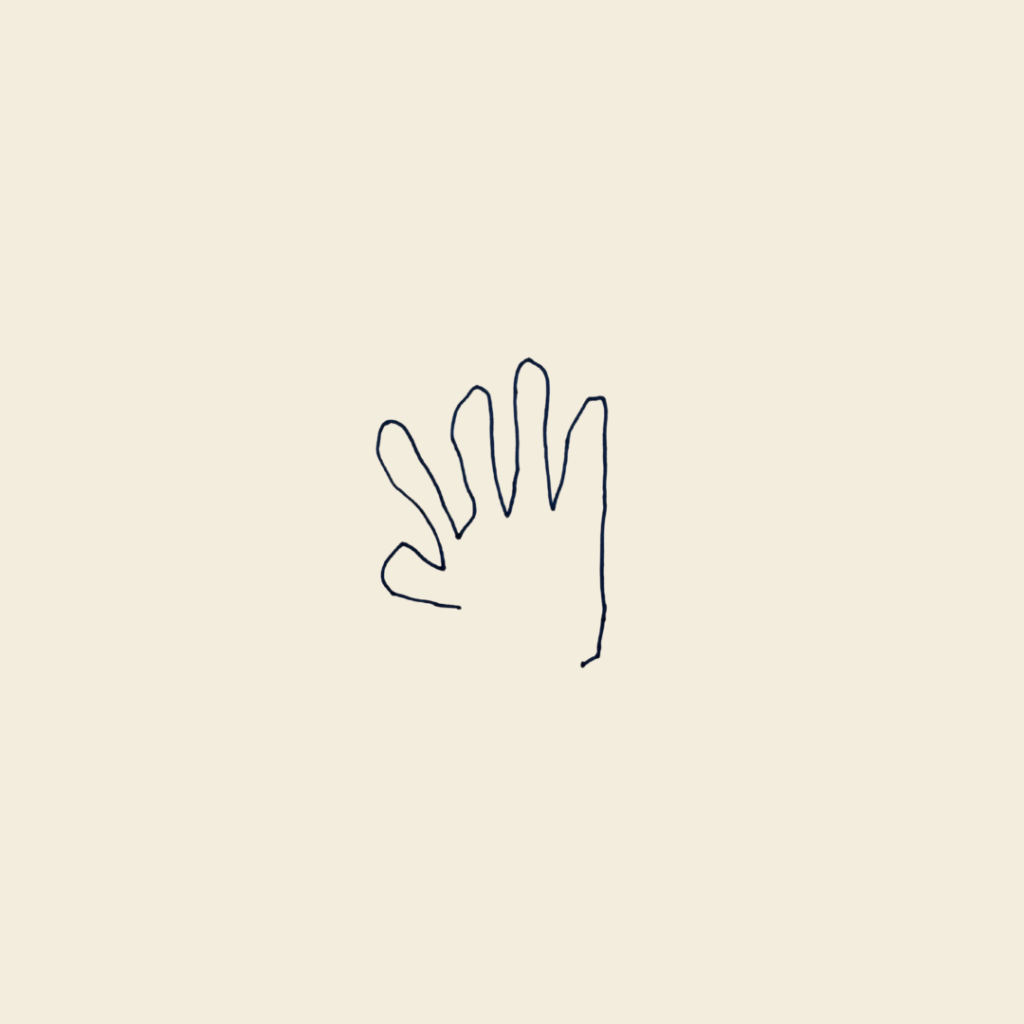
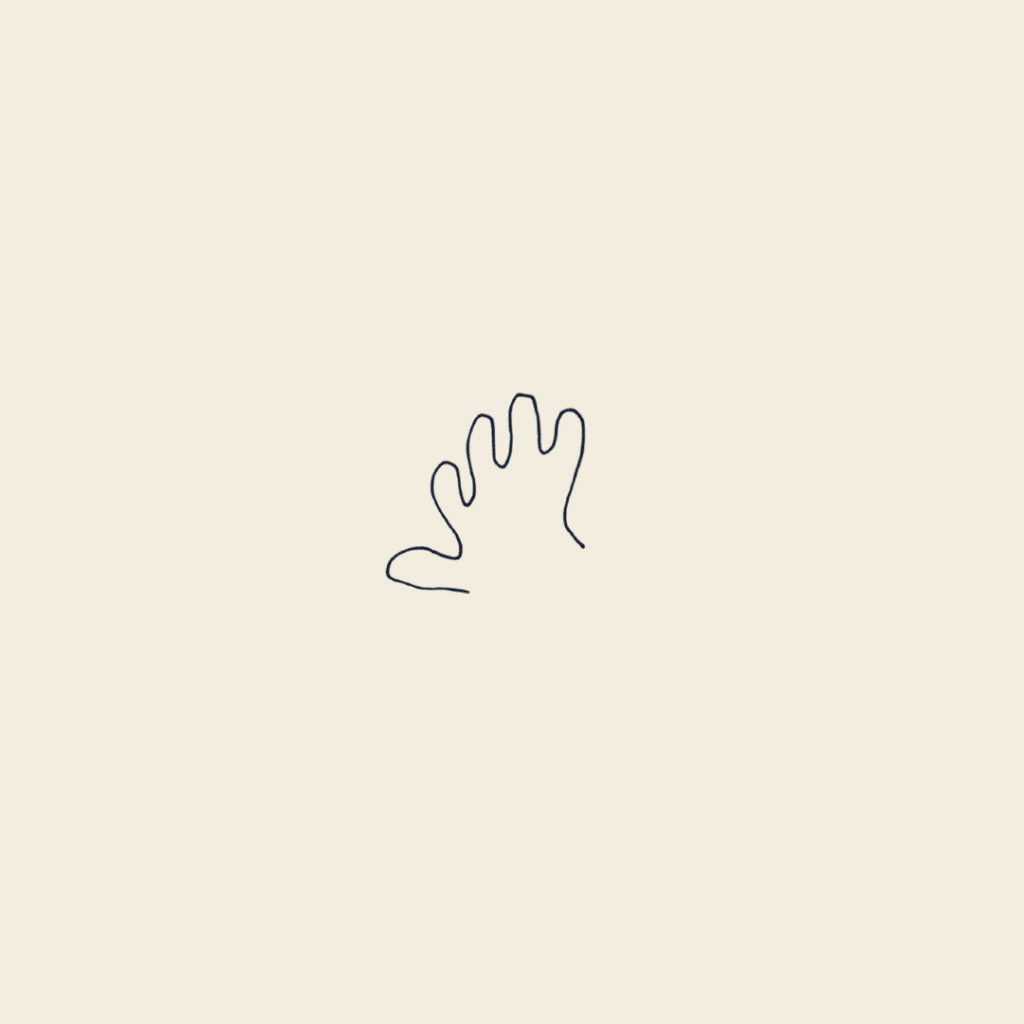
Blind drawing is a psychological and intuitive method where you draw the outline of your hand without looking at the paper. The drawing is used to interpret your current state or as an answer to a specific question. It is a popular tool in Denmark within clairvoyance, palm reading, and self-development. Below you will find answers to the most frequently asked questions about blind drawing.
In a reading of a blind drawing, I always use my own MKraft template, which I have developed through the technical language of astrology. Below you will find answers to the most frequently asked questions about blind drawing.
A blind drawing reflects your current energy, your psychological state, and your current areas of life. It is interpreted through the hand’s four elements (fire, air, earth, water), the five fingers, and symbols, signs, and images.
No. Traditional palm reading (chiromancy) interprets the lines of a physical hand. Blind drawing is a psychological and intuitive method where you draw your hand without looking. The resulting drawing is then interpreted energetically and symbolically, often as a tool within clairvoyance.
Yes. Blind drawing works as a supportive tool for clairvoyance. The drawing provides a physical starting point to “read into,” which helps open up clairvoyance, clairsentience, and clairaudience during a session. Many clairvoyants use it in Denmark.
No. It is not about drawing skills, since the drawing is made without visual control. It is precisely the absence of control and conscious direction that allows the drawing to reflect something intuitive and unconscious.
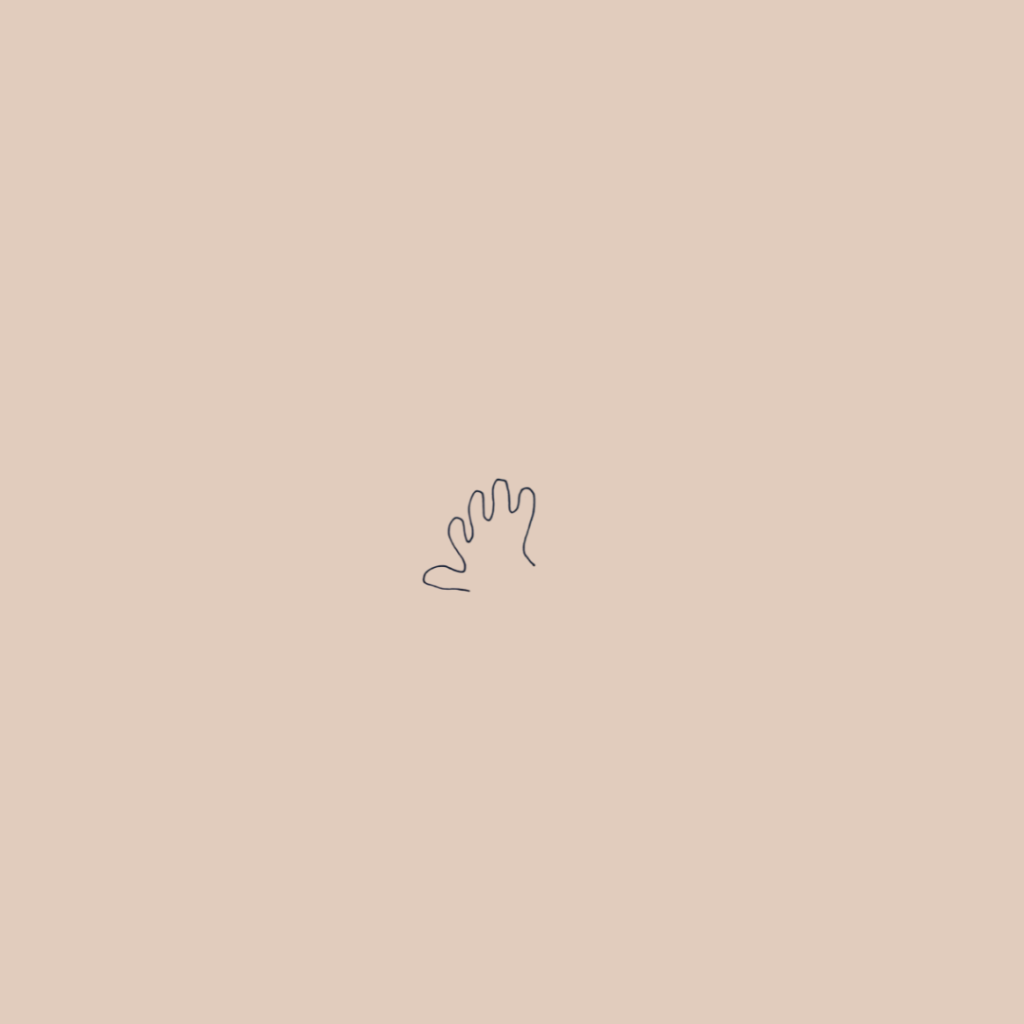
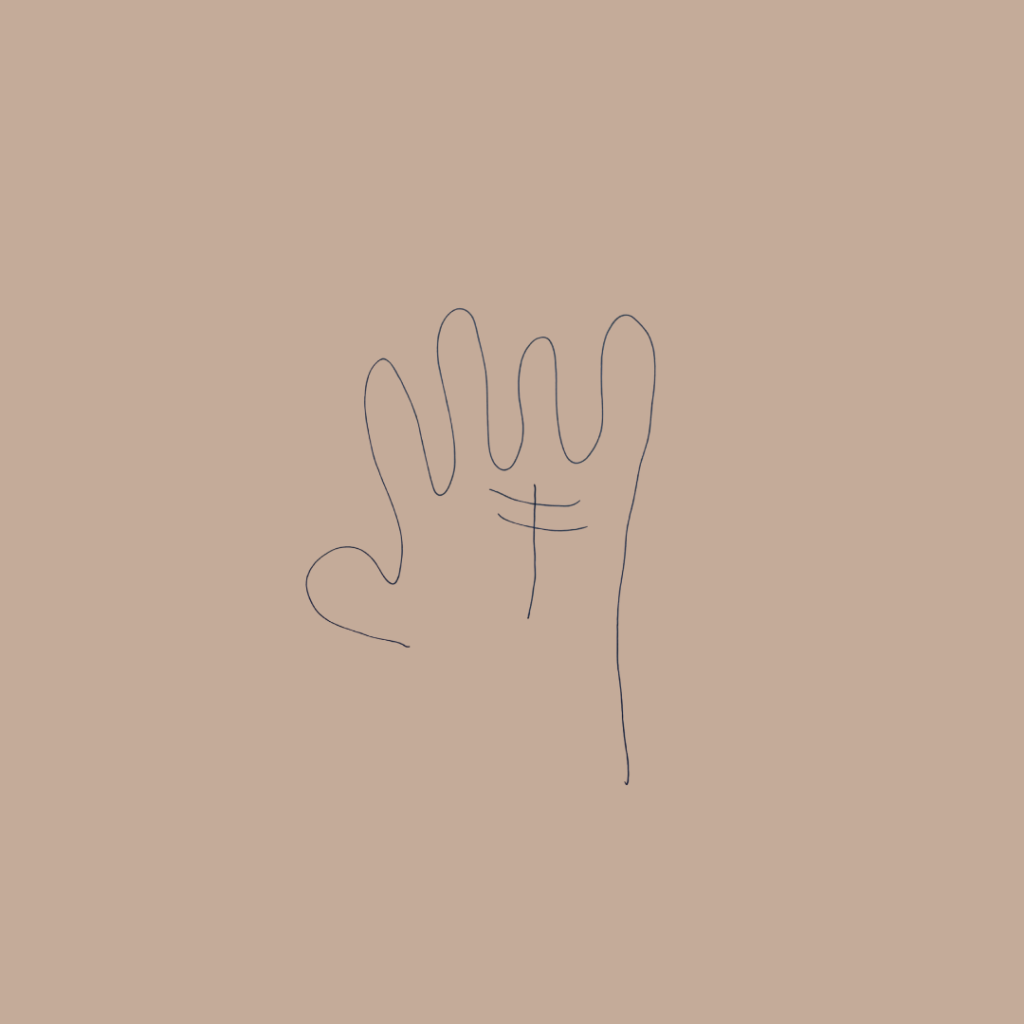
You should draw with the hand you normally write with. If you are right-handed, you draw the outline of your left hand while looking into the lines. If you are left-handed, it is the opposite.
You think or say the question out loud just before you draw. The drawing that emerges can then be read as a symbolic or energetic answer to exactly the question you had. However, it is important that you do not ask questions that result in a yes or no answer.
It takes practice to read a blind drawing. You can start with short readings of 2–4 minutes and gradually add more time. The more blind drawings you read, the more intuitive the interpretation becomes. Over time, intuition replaces a fixed checklist in your reading.
You should only practice on people who want to be read, and who have some kind of curiosity about you and what you do. Also practice on people who can give you constructive feedback on your work.
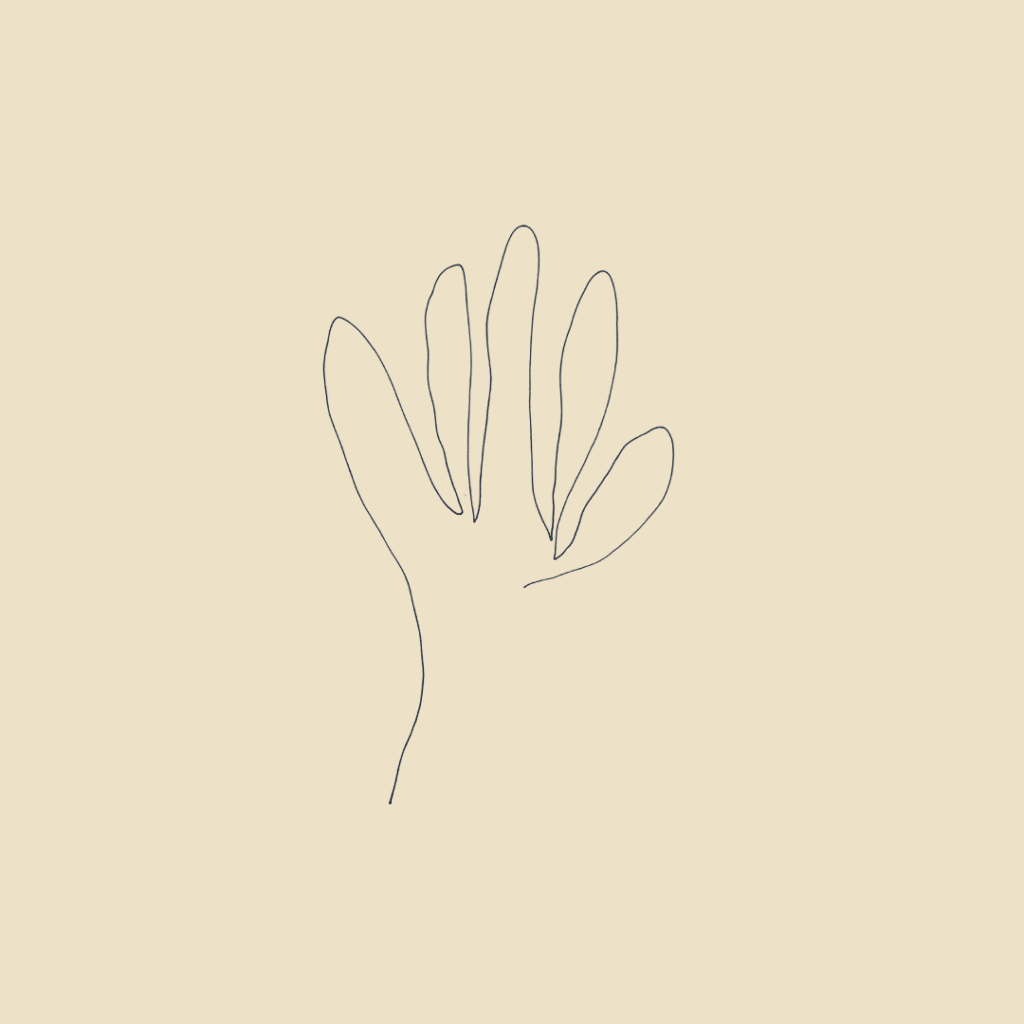
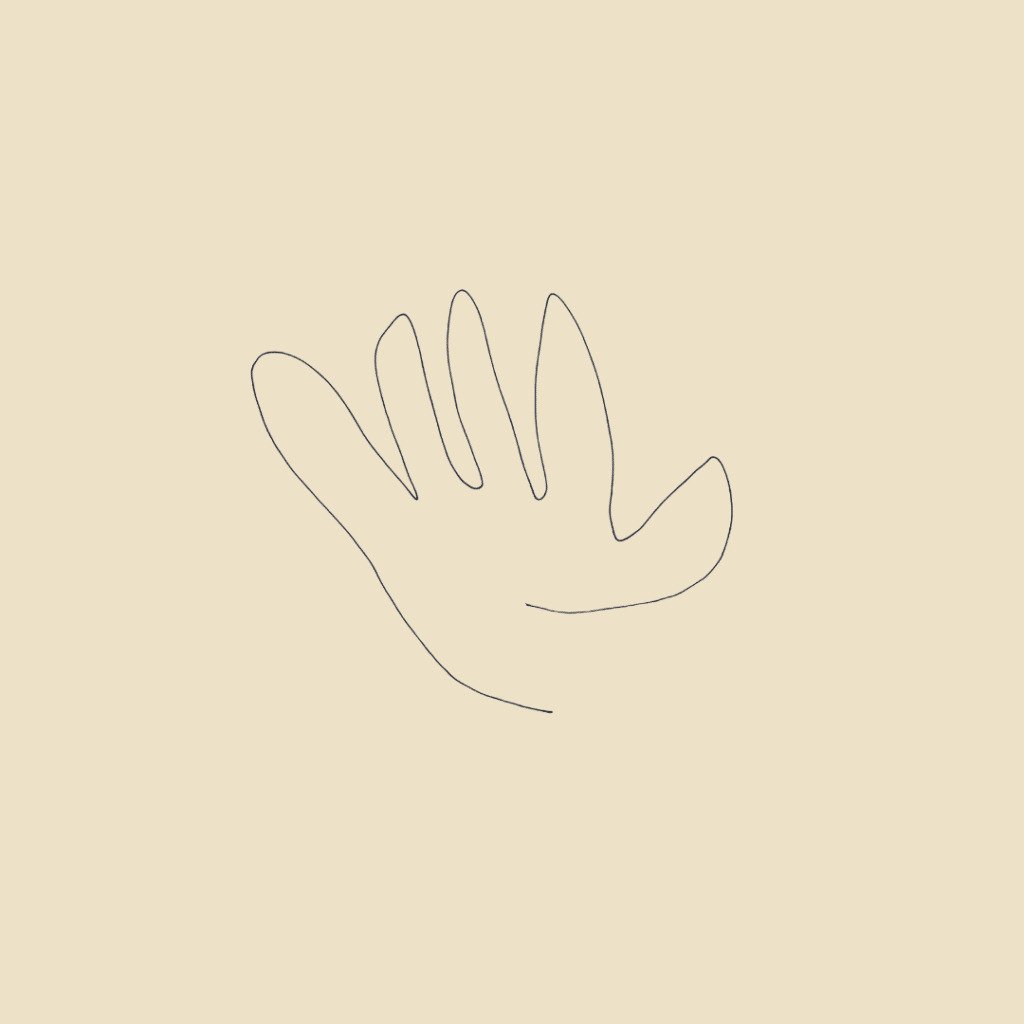
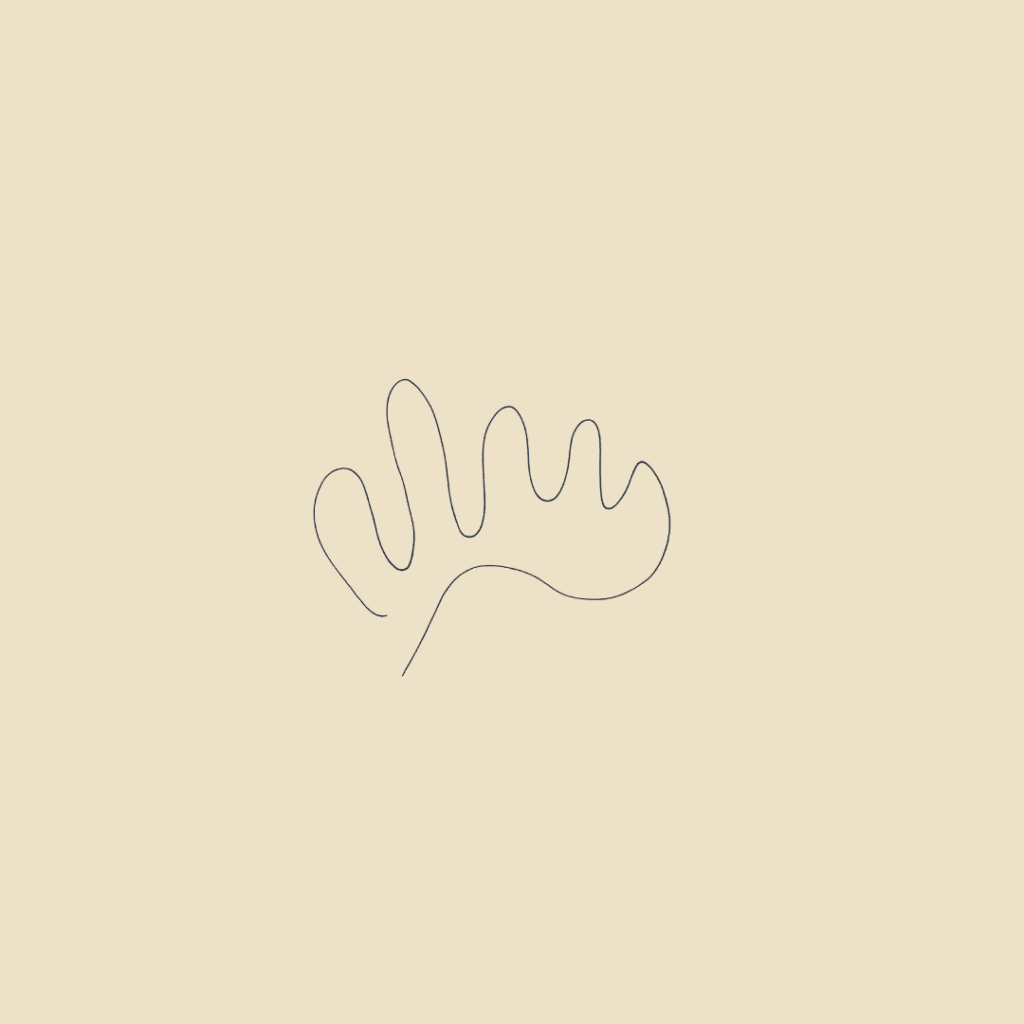
Each finger relates to an area of life.
The 4 elements are energy areas in the hand. The palm is divided into four quadrants. I always use my MKraft template for the deeper understanding.
Fire (ego and action)
Air (communication and collaboration)
Earth (structure and practical sense)
Water (feelings and intuition).
I correlate the 4 elements, their placement, and also include the fingers.
Yes, you can. But it requires training and familiarity with the blind drawing. Normally it’s just a snapshot of the moment, as the lines are constantly changing. It’s this change that you need to be able to anticipate.
No, you shouldn’t do that. The first drawing is always the one that counts. It’s only in special cases that I make a new drawing — when I happened to look down during the process, or when the drawing couldn’t fit on the paper.


